Japan, South Korea, China, Russia and the EU are key banana import markets with steadily rising requirements for quality, food safety and transparency. For fresh bananas — a product inherently sensitive to temperature, timing and handling — quality is not determined by any single factor, but by the sum of the entire chain from the growing region to the container.
Below are the seven core factors that importers in these markets typically assess when selecting a supplier.
Each market has its own priorities: Japan, South Korea and the EU emphasise food safety and residue control; China — a large, nearby market — values stable output, on-time delivery aligned with each season and clear traceability; while Russia, with its long shipping distances, requires a resilient cold chain to keep quality consistent from farm to destination port.
1. Growing-region conditions — The foundation of product quality
For Cavendish bananas, climate, soil and water conditions directly affect fruit size, bunch uniformity, sensory quality as well as post-harvest storability.
The world’s major banana-export growing regions are typically planned in areas with stable temperatures of 26–30°C, abundant water and cultivation soil with a deep profile and good drainage.
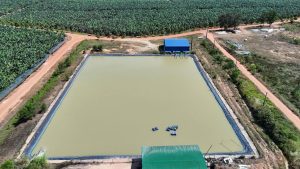
At Mộc Đỉnh Dương, the raw-material area spans a total of 1,000 hectares: 500 ha are being developed in Tan Lam commune, Xuyen Moc district, Ba Ria – Vung Tau province. This area has an average year-round temperature of around 27°C, two distinct rainy and dry seasons, and a proactive water source serving production.
In addition, the naturally draining terrain combined with highly fertile soil groups and a deep cultivation layer creates favourable conditions for root development, helping the plants absorb nutrients efficiently and maintain stable yields over the long term.
2. Seedling quality and the uniformity of the raw-material area
One of the importers’ key requirements is uniformity between shipments. To meet this requirement, export banana producers today use the Cavendish banana variety.
This is a banana variety propagated by tissue culture to ensure genetic uniformity — a crucial factor for maintaining consistency in size, weight and commercial quality across crops.
At Mộc Đỉnh Dương, the seedling source is selected with a view to developing a synchronised raw-material area, helping the plants grow relatively uniformly and making it easier to organise the crop season, care and harvest according to the production plan.
3. Nutrient management and the application of technology in cultivation
According to many agricultural studies, nutrition is a factor that directly affects fruit size, flesh firmness, sweetness and the post-harvest storability of bananas.
In particular, potassium content during the bunch-development stage has a significant impact on the product’s sensory quality. Commercial-grade Cavendish bananas typically reach a Brix of around 18–22 when fully ripe.
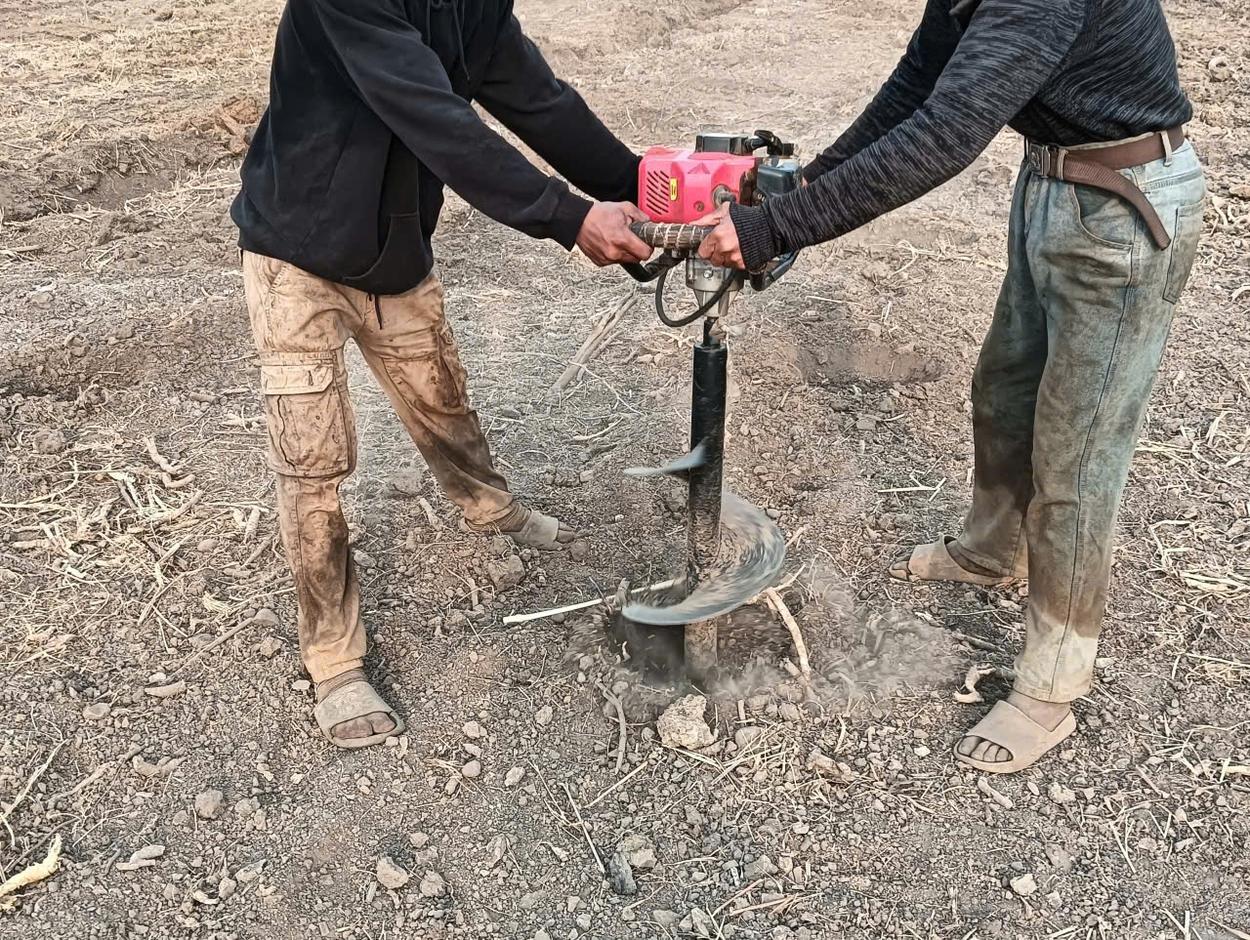
To improve cultivation-management efficiency, at Mộc Đỉnh Dương’s growing area a drip-irrigation system is operated by zone, combined with pumping stations and automatic fertiliser-mixing tanks, allowing water and nutrients to be adjusted to suit each stage of plant development. This approach helps improve resource-use efficiency while maintaining stable yields and quality.
4. Harvesting at the right physiological maturity of the fruit
For export goods, the harvest timing directly affects storability and quality by the time the product reaches the destination market.
Export Cavendish bananas are harvested when they reach about 75–80% physiological maturity. If harvested too early, the fruit may not achieve optimal flavour and sensory quality when ripe. Conversely, harvesting too late reduces storage time and increases the risk of premature ripening during transport.
At Mộc Đỉnh Dương, monitoring plant growth and planning the harvest are carried out by production zone to ensure the product reaches the appropriate maturity before entering the preliminary-processing and packing process. This helps enhance quality control while meeting the differing requirements of each export market.
5. Post-harvest quality control
According to the FAO, post-harvest loss rates for fresh fruit and vegetables in many developing countries can range from 20–40% if not managed effectively.
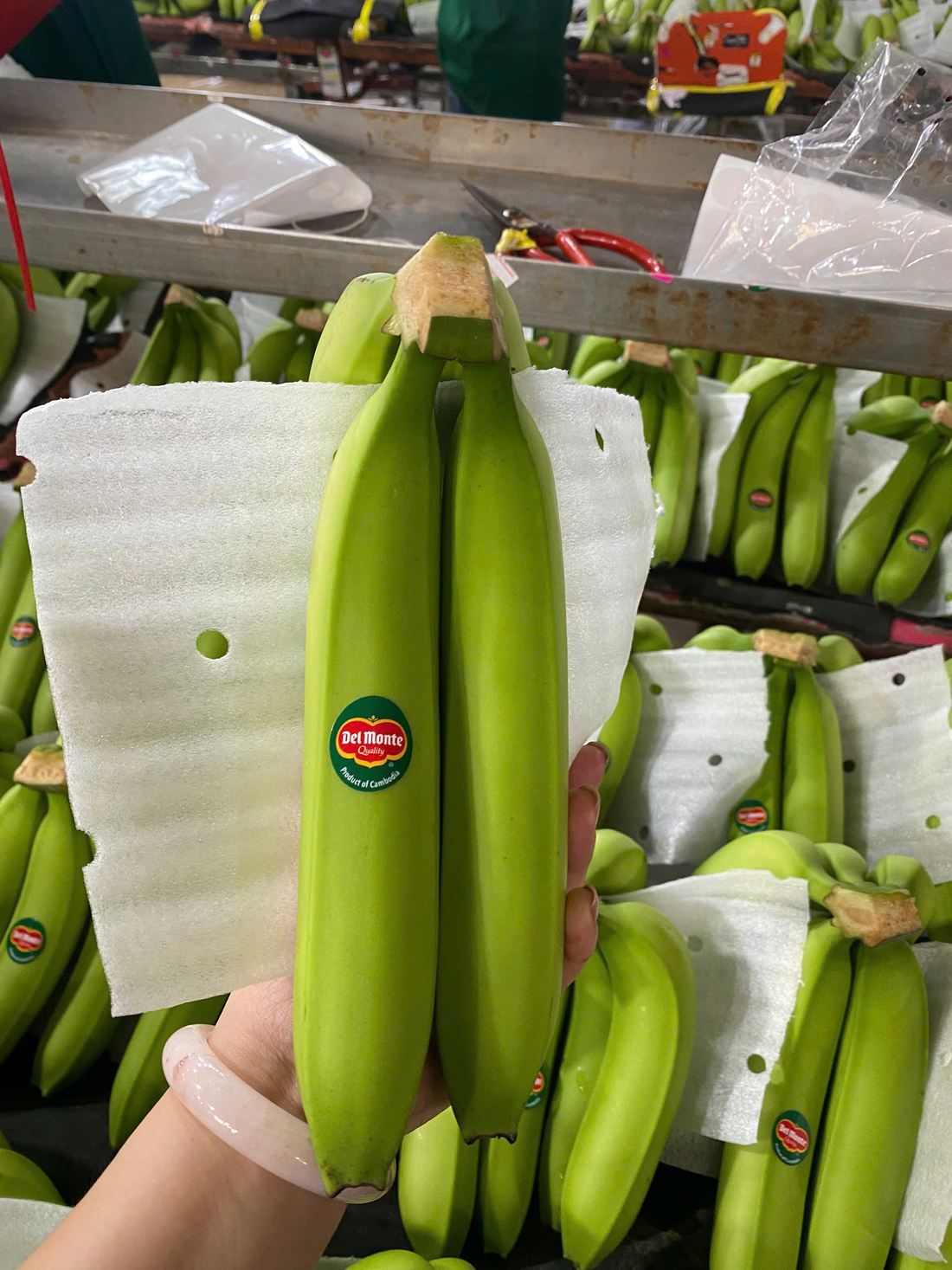
For bananas, steps such as latex treatment, grading, product cleaning, packing and storage play an important role in preserving the commercial value of the shipment.
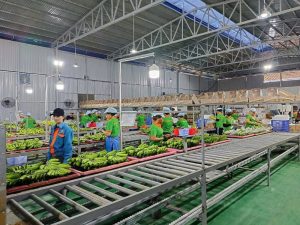
At Mộc Đỉnh Dương, preliminary-processing and packing workshops are located right within each farm to shorten the time from harvest to handling. This helps limit mechanical impact on the fruit, reduce post-harvest loss and help maintain product freshness before it enters the cold-storage chain. In addition, products are graded on criteria of size, weight and uniformity to meet the requirements of each customer and import market.
6. Traceability and supply-chain transparency
Today, importers are concerned not only with the product but also require clear traceability throughout the entire supply chain. In many markets such as Japan, South Korea, China and the EU, providing information related to the growing region, production process and quarantine records has become an almost mandatory requirement.
At Mộc Đỉnh Dương, the production data system is built on 4 layers of information: growing-area code, production log, shipment records and quarantine records — allowing product information to be verified at any stage of the supply chain. Beyond meeting management requirements, traceability is also a tool for building trust with importers and end consumers.
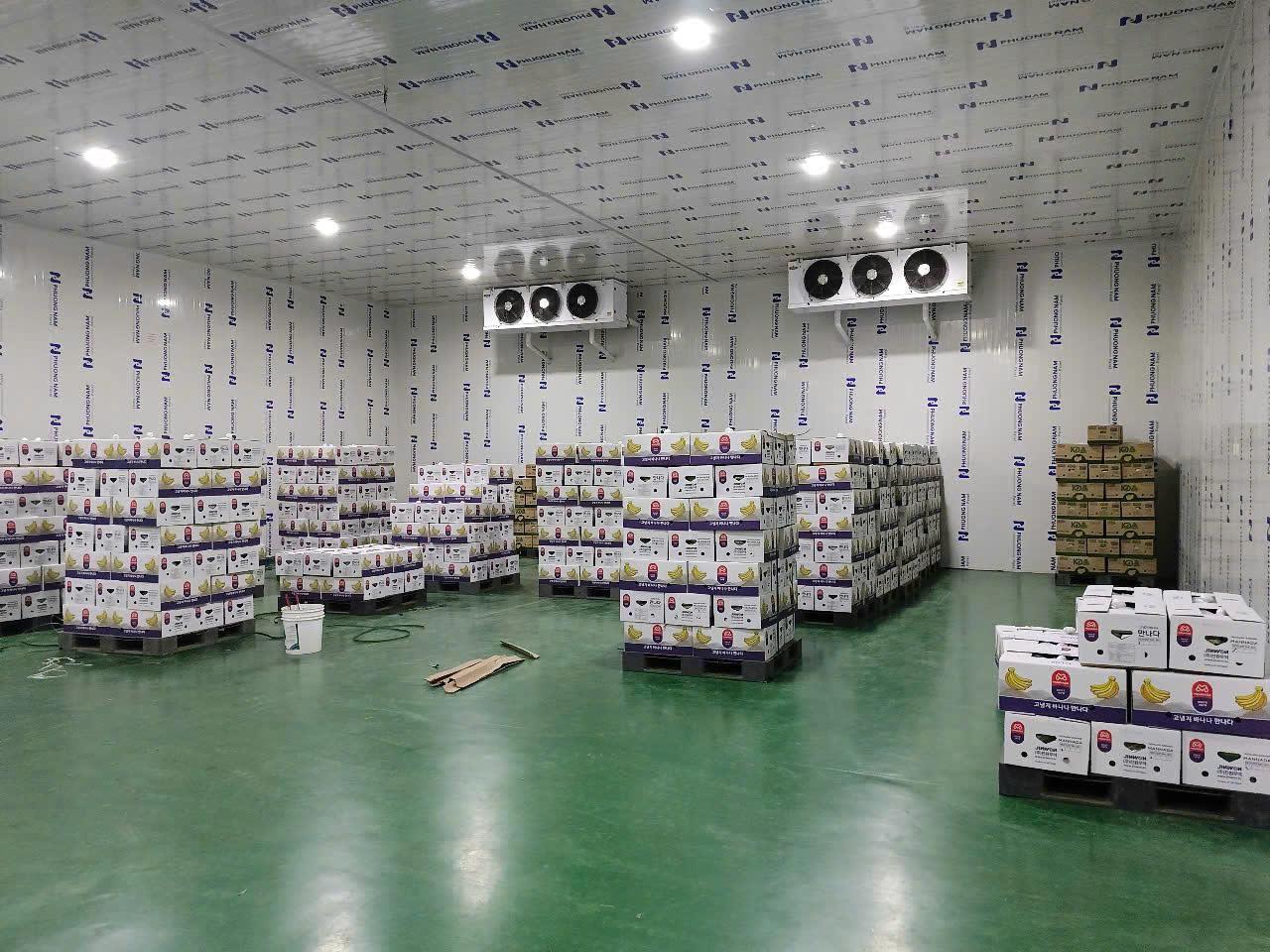
7. The cold chain and international shipping
If quality is created at the farm, the Cold Chain system is the factor that preserves that quality throughout the export process.
Bananas are a temperature-sensitive fruit. During international transport, the storage temperature usually needs to be maintained at around 12–14°C to ensure commercial quality and extend storage time. Temperatures below this level cause chilling injury, turning the peel grey even though the flesh remains intact.
In parallel with developing the raw-material area, Mộc Đỉnh Dương is progressively improving its logistics and cold-storage capabilities in order to maintain suitable shipping conditions for markets with long transit times such as Japan, South Korea, China, Russia, Singapore and the Middle East. For distant markets such as Russia, a closed Farm-to-Port cold chain is decisive in maintaining quality and ensuring an uninterrupted supply throughout the journey.
If you are looking for a stable, transparent Cavendish banana supply oriented toward long-term cooperation, the Mộc Đỉnh Dương team is always ready to discuss and build a supply solution suited to the needs of each market.