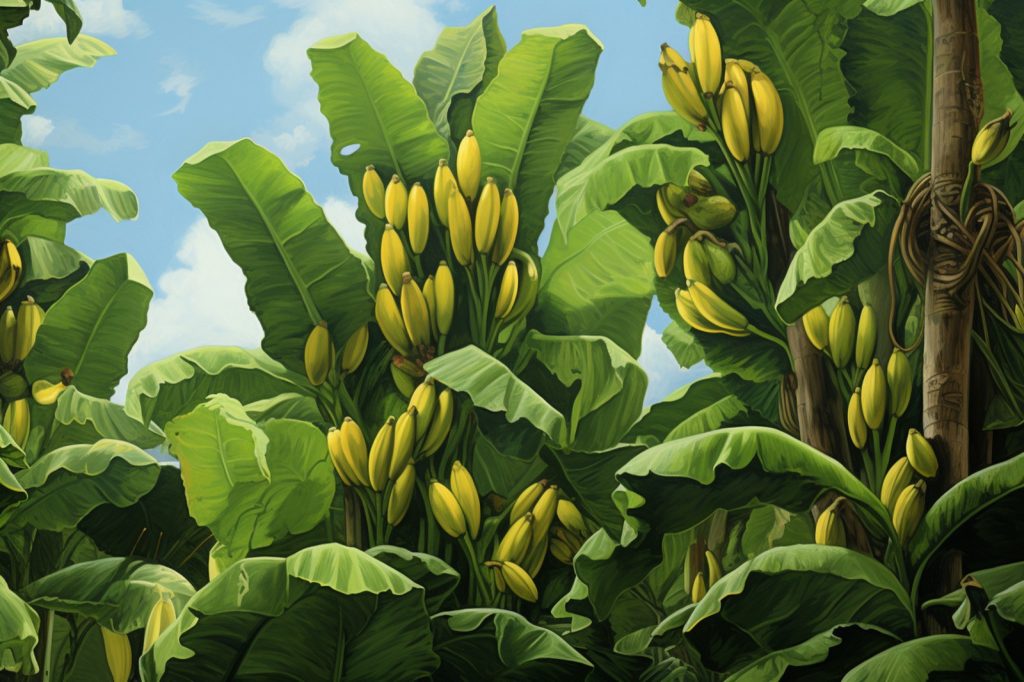
18–22BrixStable sweetness
60t / haYield per year
25–45daysShelf life
~1.000hectaresConcentrated growing area
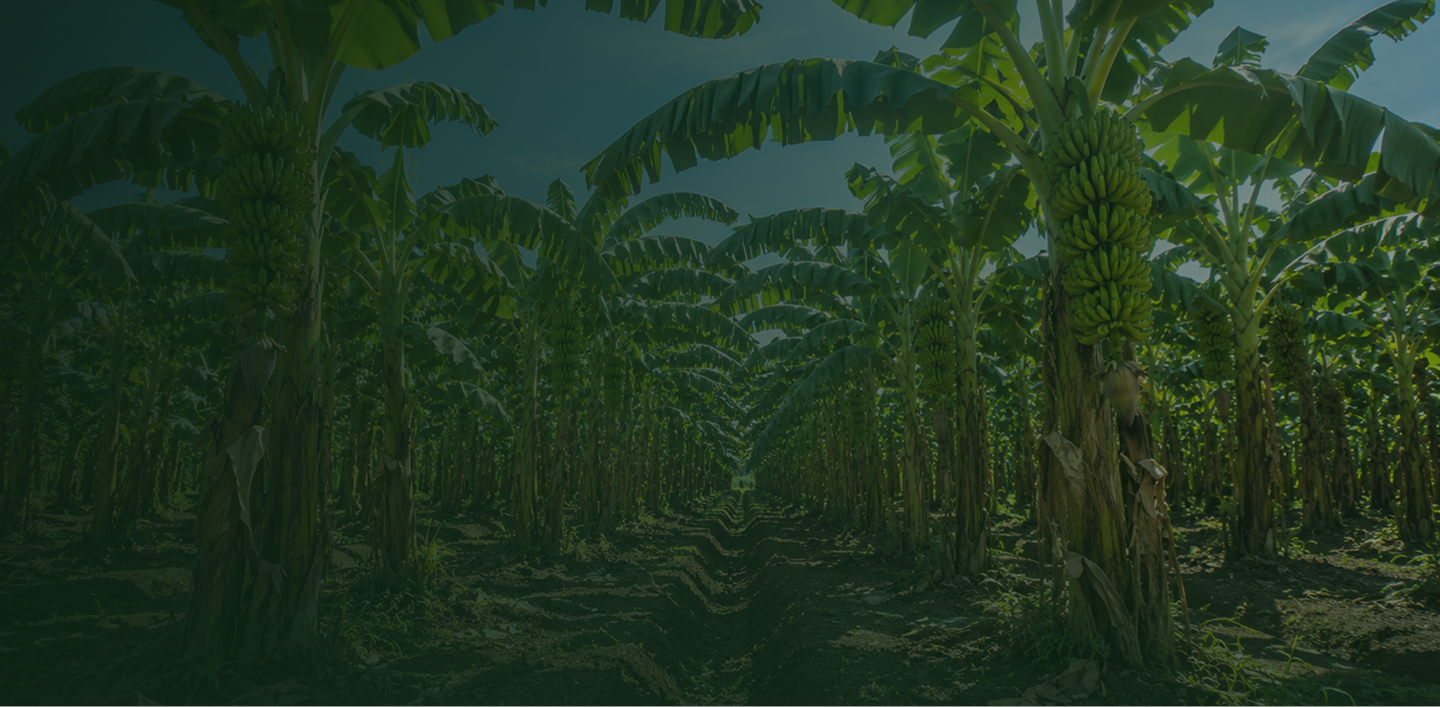
Product overview
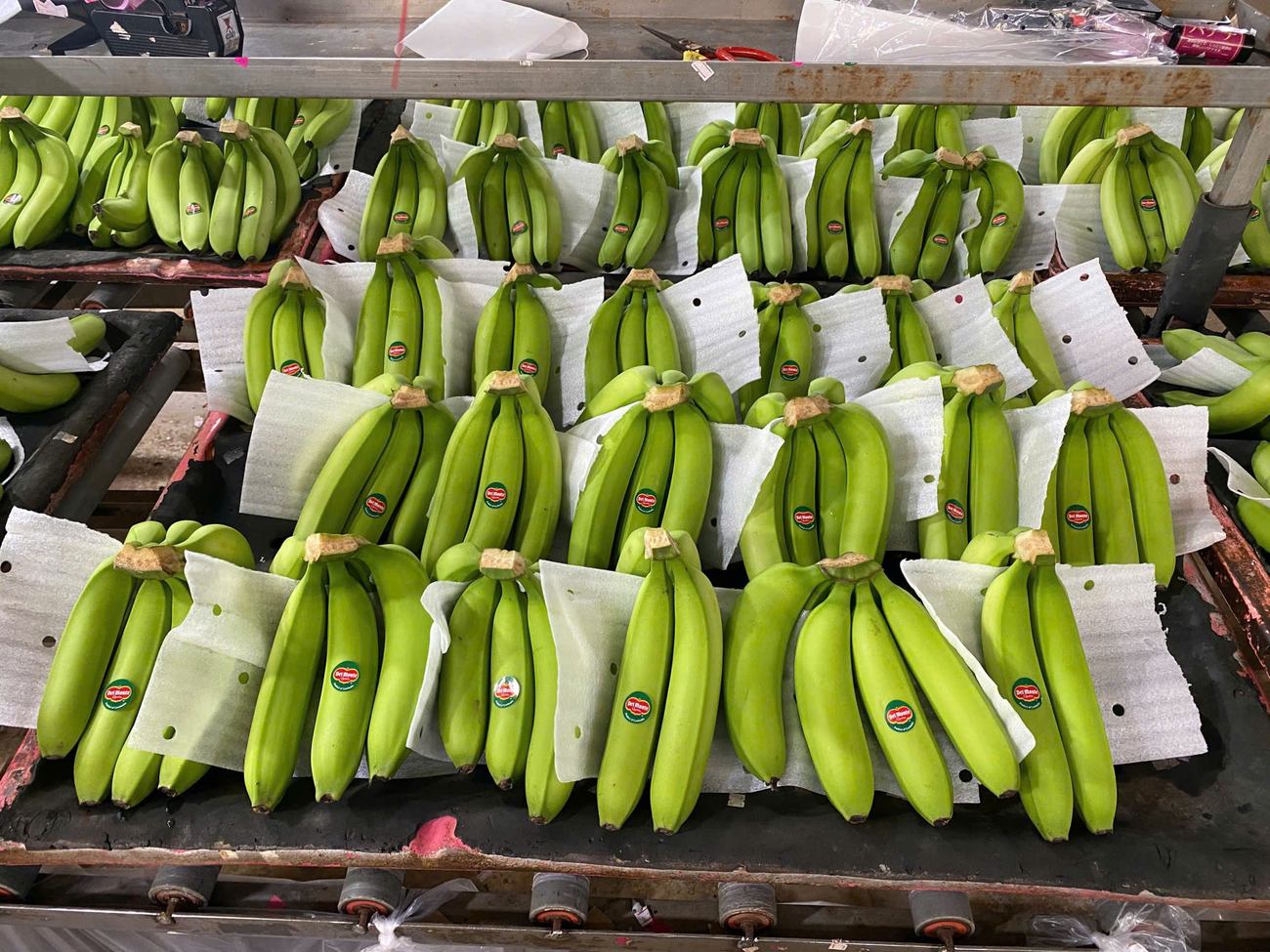
The Cavendish banana is favoured for its high consistency, good preservation and suitability for long sea voyages.
At Mộc Đỉnh Dương, every banana starts from tissue-culture seedlings — the foundation for a uniform orchard and even fruit right from the input.
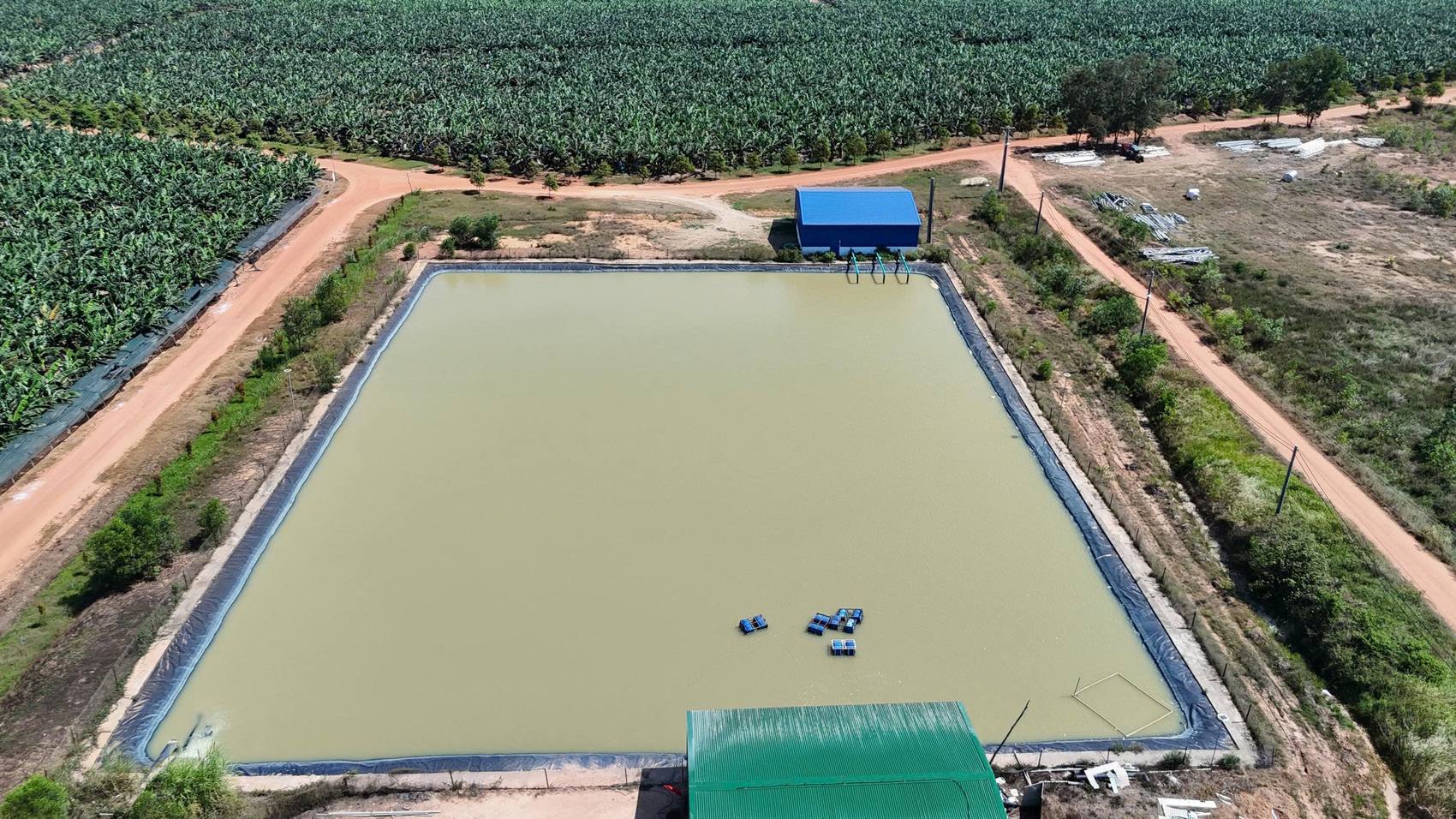
Raw-material zones are planned across two strategic areas totalling 1,000 hectares, on nutrient-rich soil (red-brown, yellow-brown, alluvial, deep tillage layer) and a stable climate — ideal conditions for even growth and quality fruit.
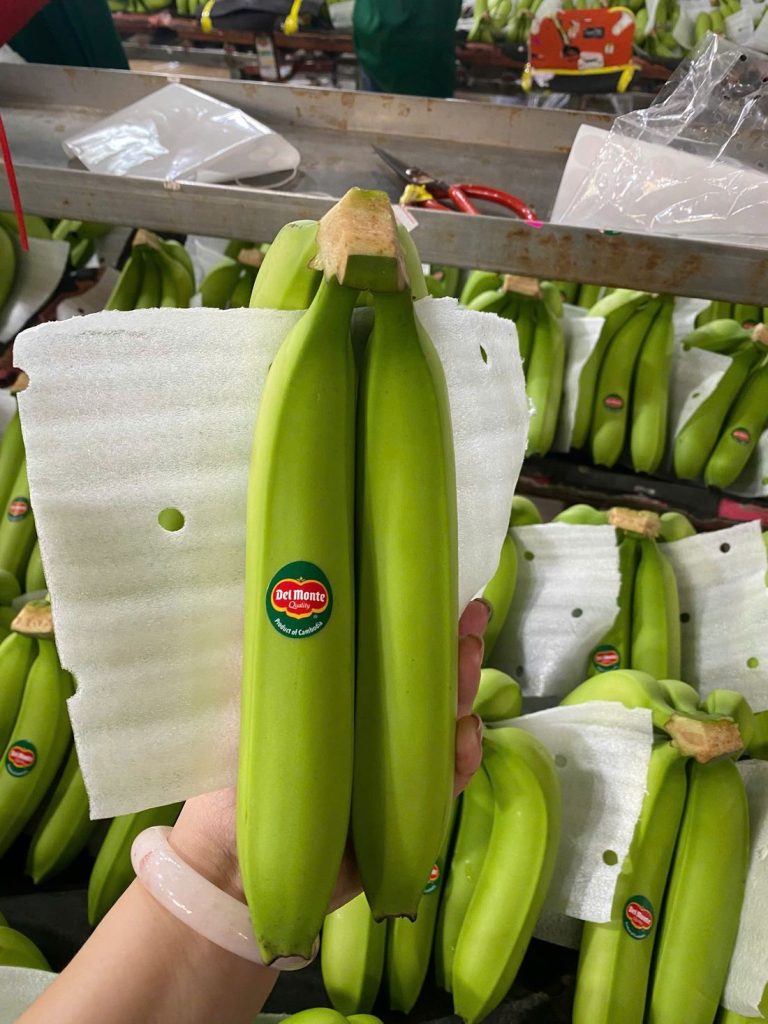
Nutrient-rich soil (red-brown, yellow-brown, alluvial, deep tillage layer), a stable climate — average temperature around 27°C, with a low temperature range between seasons.
Nutrient-rich land, two distinct rainy–dry seasons, average temperature around 27°C — suitable for export Cavendish bananas to grow stably with high yield.
Product information
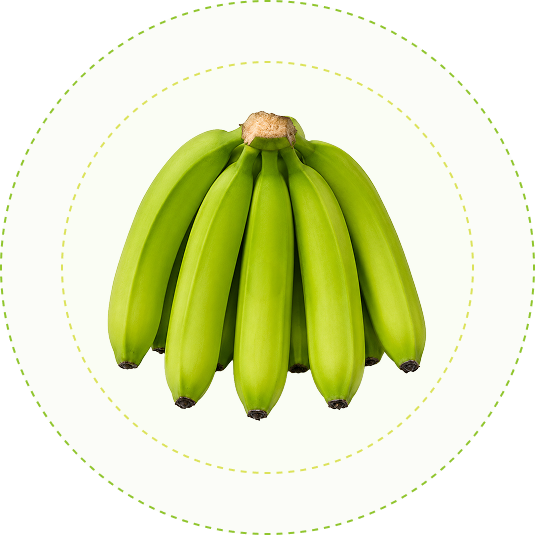
(*) Brix is a natural index measured after ripening, varying by season and cultivation technique — no artificial sweeteners are used.
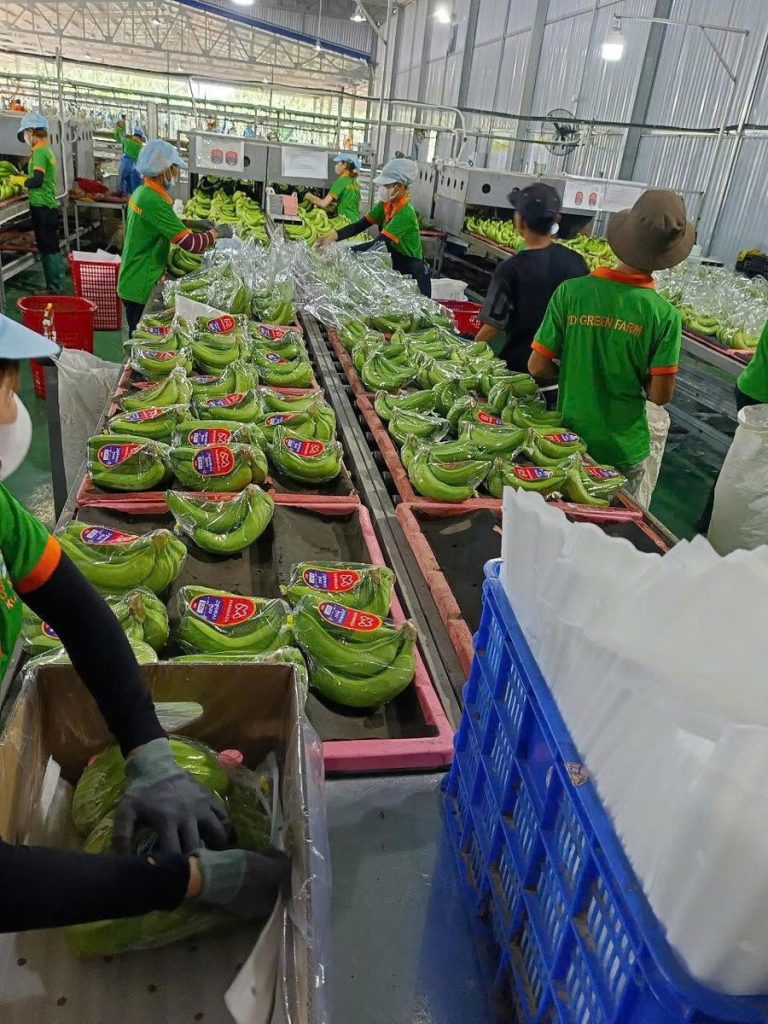
Farm-to-Port · 8 stages
A closed-loop production chain from tissue-culture seedlings to the refrigerated container. Choose each stage on the arc to see images and detailed descriptions.
Transparency & control
Step by step applying technology to production-data management, improving traceability and quality control along international-standard orientation.
Managed by a dedicated identifier, supporting origin and cultivation-area identification.
Recorded throughout cultivation, care and nutrient management.
Storing harvest, grading, packing and shipping information for each batch.
Quarantine & export documents for each market: Phytosanitary, C/O, C/Q, customs.
Digitising production data creates a foundation to meet the strict management standards of the global market — in which QMS and HACCP principles are two key components of the GlobalGAP standard, helping identify and control hazards at each critical point in the production chain.
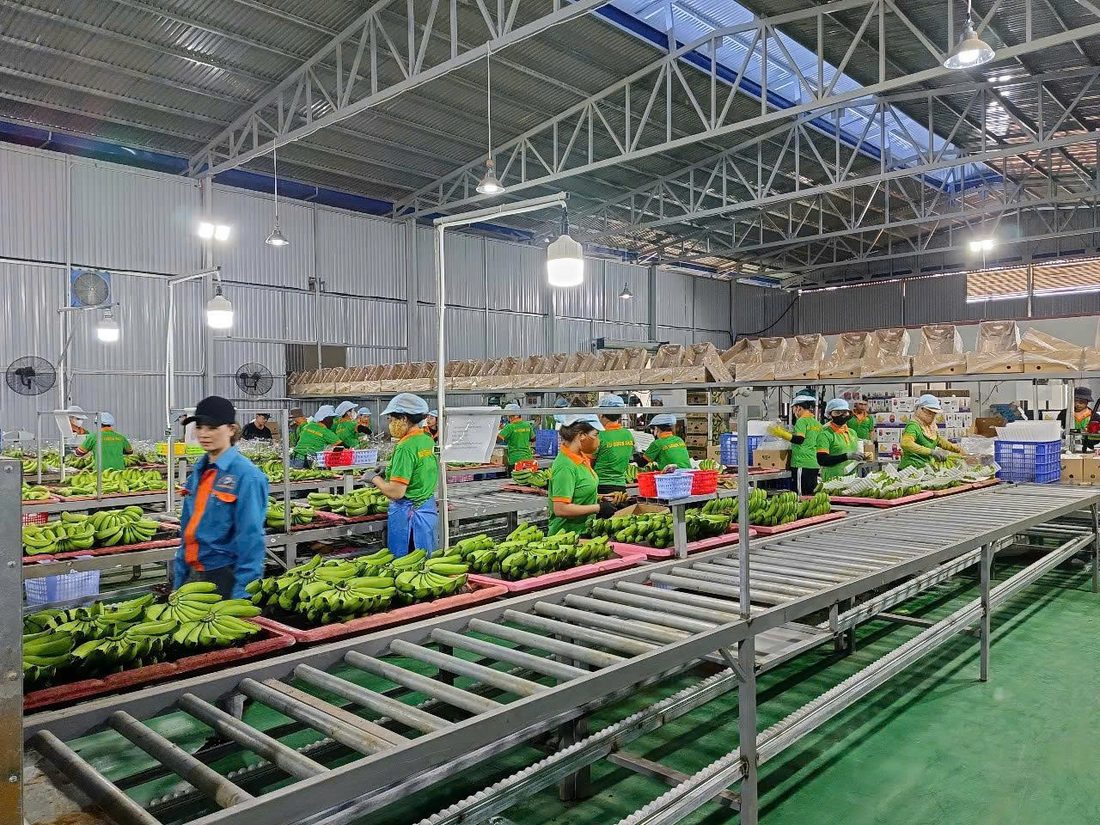
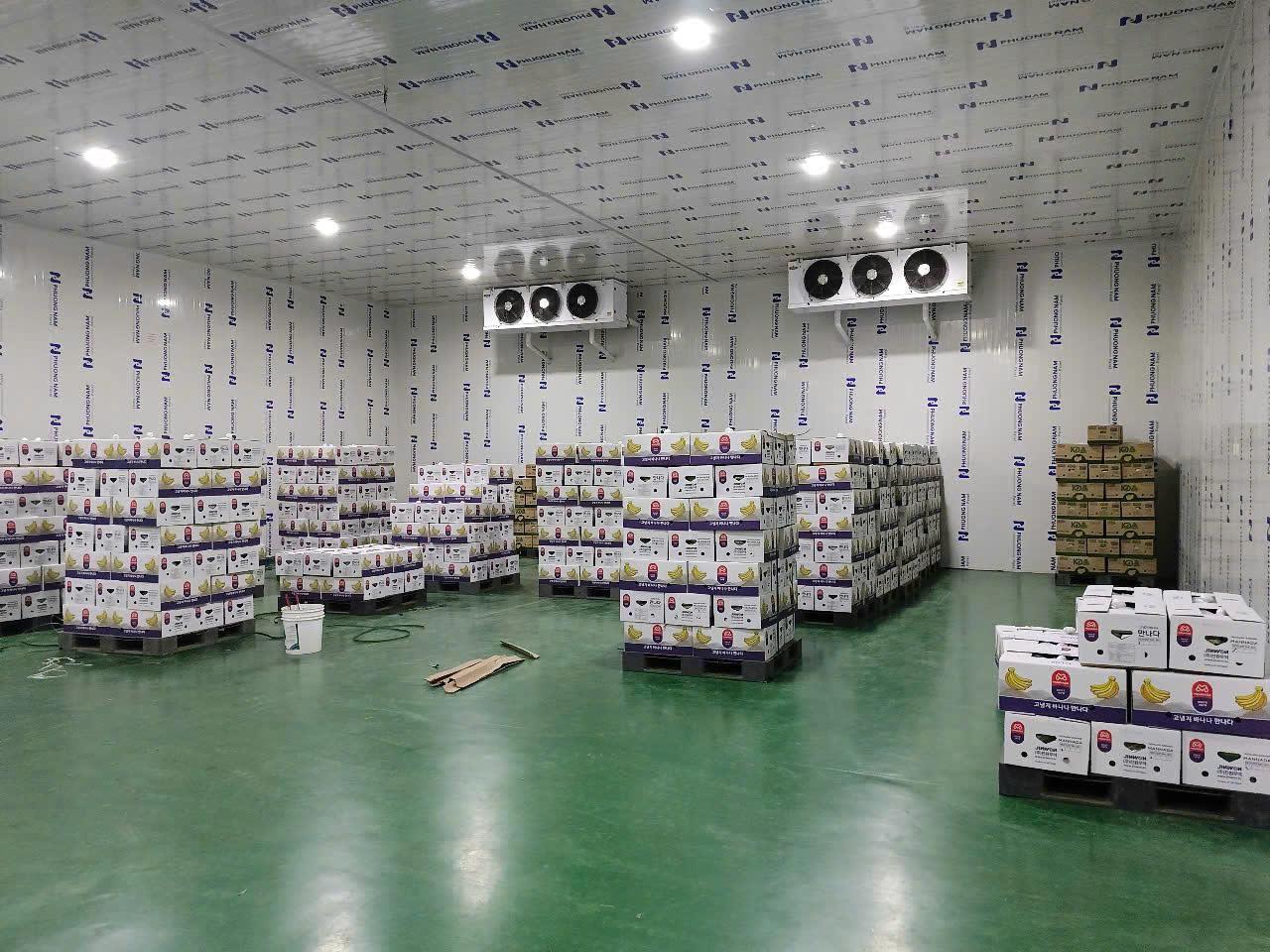
Packing & shipping
Capacity & roadmap
| Raw-material zones | 1,000 ha planned across 2 areas: East 500 ha + Central Highlands 500 ha |
|---|---|
| Yield | 60 t / ha / year |
| Estimated output | ~60,000 t / year at full capacity |
| Container specification | ~17 t / refrigerated container |
| Peak capacity | 100–120 containers / week when the growing area reaches capacity |
| Crop model | 3 crops / 2 years — stable supply year-round |
| MOQ | Flexible: from trial orders to long-term container contracts |
| Lead time | Estimated 7–14 days depending on volume and ship schedule |
Commitment
Quality and transparency are the foundation of everything Mộc Đỉnh Dương does.
The growing-area code system, cultivation logs and batch records enable transparent, accurate traceability for each product batch.
Before each crop, products are tested for pesticide residues; only batches meeting requirements are moved into harvest and pre-processing.
The entire process is built and managed along GlobalGAP orientation, meeting the food-safety and traceability requirements of export markets — on a roadmap from 2026.
Partnership
Accompanying partners throughout the cooperation process, flexible to each market need.
Phytosanitary, C/O, C/Q and customs procedures.
FOB, CIF or as per buyer request.
T/T, L/C and common international methods.
Developing a private brand for partners.